
How to write a logline: what a studio exec reads first
Before anyone reads your script, they read one sentence about it. After more than 2,000 scripts on my desk, here's what made me open one.

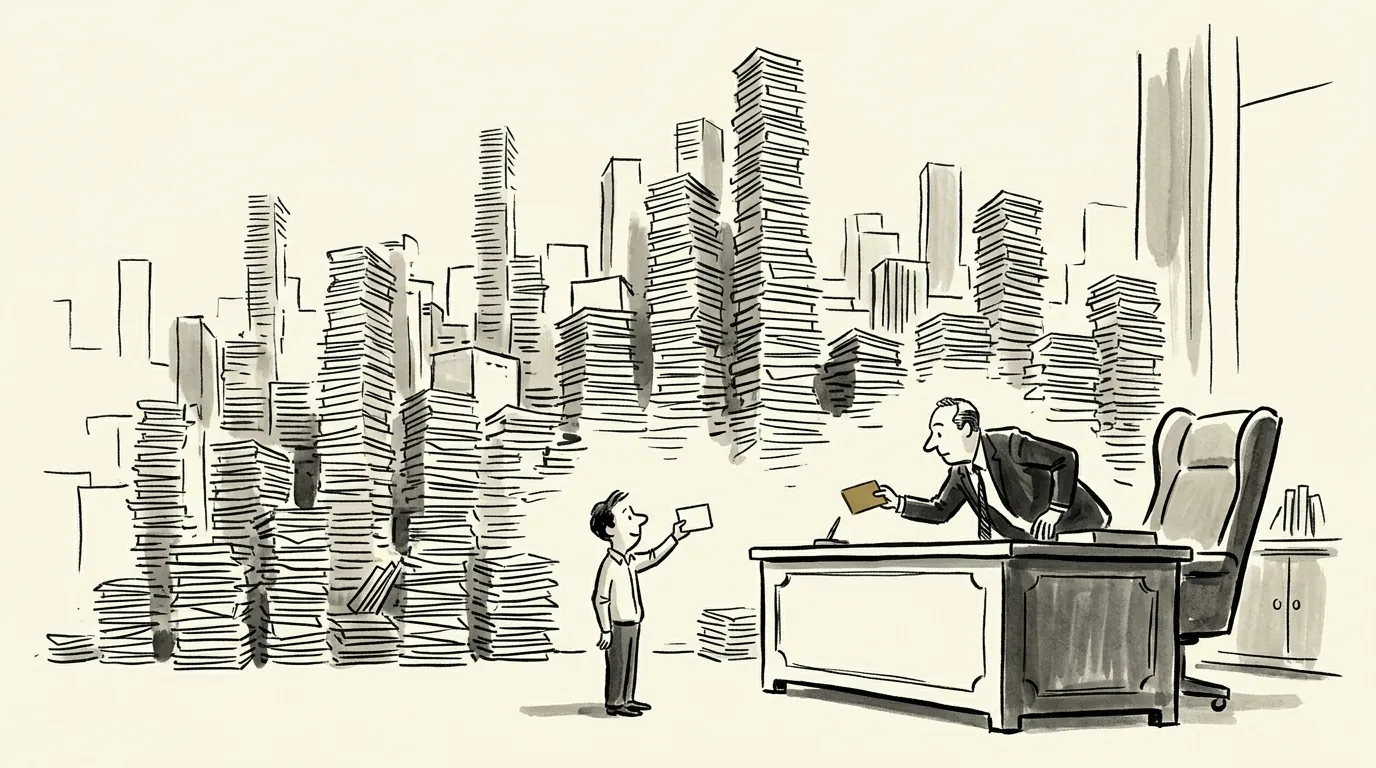
What a logline is actually for
A logline's job is to make a busy reader want to open your script. It isn't a summary; it's a sales tool. If your logline explains the plot but doesn't create that want, it has failed, no matter how accurate it is.
The four parts of a logline that works
A logline that works has four parts: a specific protagonist, an inciting situation, a goal, and an obstacle with real stakes. Leave any one out and the reader can't picture the movie.
- A specific protagonist, not a generic one
- A clear inciting event
- A concrete goal
- An obstacle with real stakes
- One sentence, two at most
Notice what's not on the list: theme, backstory, the twist, or the ending. Those matter in the script. In the logline they get in the way.
How long should a logline be?
One sentence, two at most. There's no official word count, but if you can't say it in a single breath, the reader can't hold it in their head either. Length is usually a symptom: a logline runs long when the writer hasn't decided what the movie is about yet.
Frequently asked questions
Should a logline name the characters?
Usually not. A specific description of the protagonist tells a reader more than a name they don't know yet.
Should a logline include the ending?
No. A logline sells the setup and the central conflict. The ending belongs in the synopsis.
What's the difference between a logline and a tagline?
A logline describes the story for industry readers. A tagline is a marketing line for audiences, like the one on a poster.